
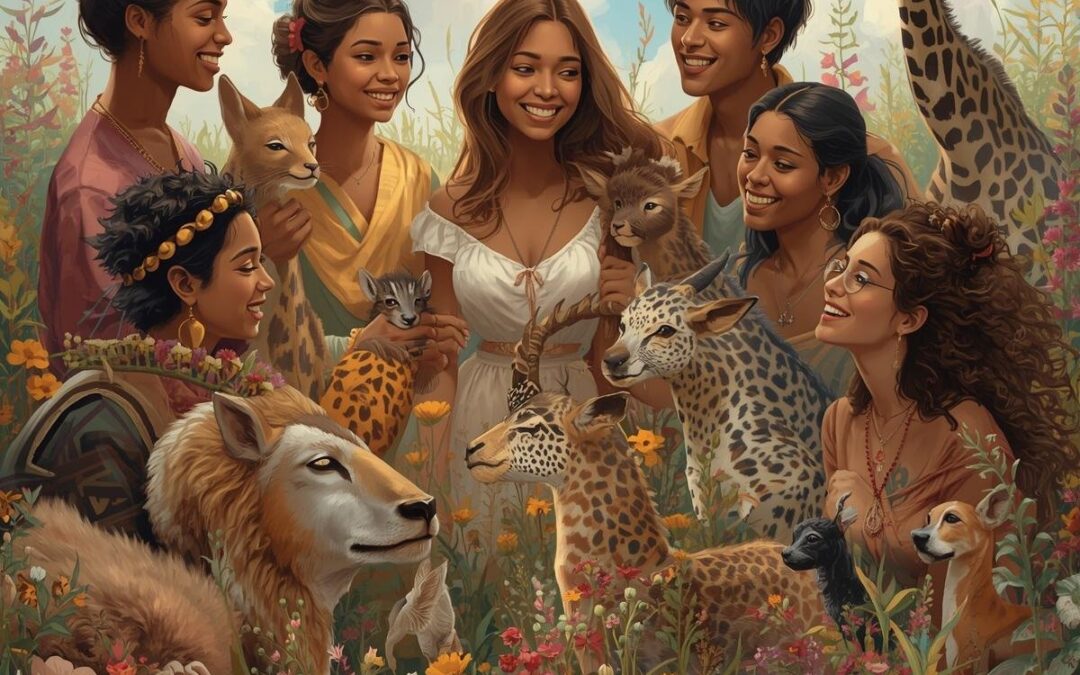
Kincentricity is the understanding that humans are not separate from nature, but are part of a vast family that includes plants, animals, and the land itself. This worldview fosters a sense of belonging, responsibility, and mutual care.
Key Concepts of Kincentricity
- Interconnectedness: Every living being is linked in a web of relationships. What affects one, affects all.
- Storytelling: Many cultures use stories to teach about kinship with nature.
- Gardening: Tending a garden is a partnership with plants, soil, insects, and weather.
- Traditional Ecological Knowledge: Indigenous peoples often manage landscapes in ways that benefit both humans and non-humans.
- Animal Companionship: Pets and working animals are seen as family members, not just property.
Why Kincentricity Matters
- Environmental Stewardship: Seeing nature as kin encourages sustainable practices.
- Well-being: Connection to nature improves mental and physical health.
- Cultural Preservation: Kincentric views are central to many Indigenous cultures and their survival.
How to Foster Kincentricity
- Spend time in nature and observe its rhythms.
- Learn about local plants and animals.
- Practice gratitude and reciprocity—give back to the earth.
- Listen to and share stories about human-nature relationships.
Embracing kincentricity can transform how we live, work, and relate to the world around us, leading to a more harmonious and sustainable or regenerative future. Kincentricity was coined by Dr. Enrique Salmon: a worldview that sees everything in the natural world as direct relatives. See his book: “Iwigara: The Kinship of Plants and People.”
Wonderful piece
Sign me up! I had not heard the term before but fully agree with all of it. A step towards animism which recognizes tthat here is spirit in all beings.