
Zoom Tonight May 13 and Tour this Sat May 17 in Eugene
Zoom link for tonight.
Note, more site tours can be added. Organize a site tour in your neighborhood. A network can help promote it.
- May 13, Tuesday, 6:30 PM; Zoom Presentation and Discussion
The Convergence of Preparedness, Resilience and Permaculture
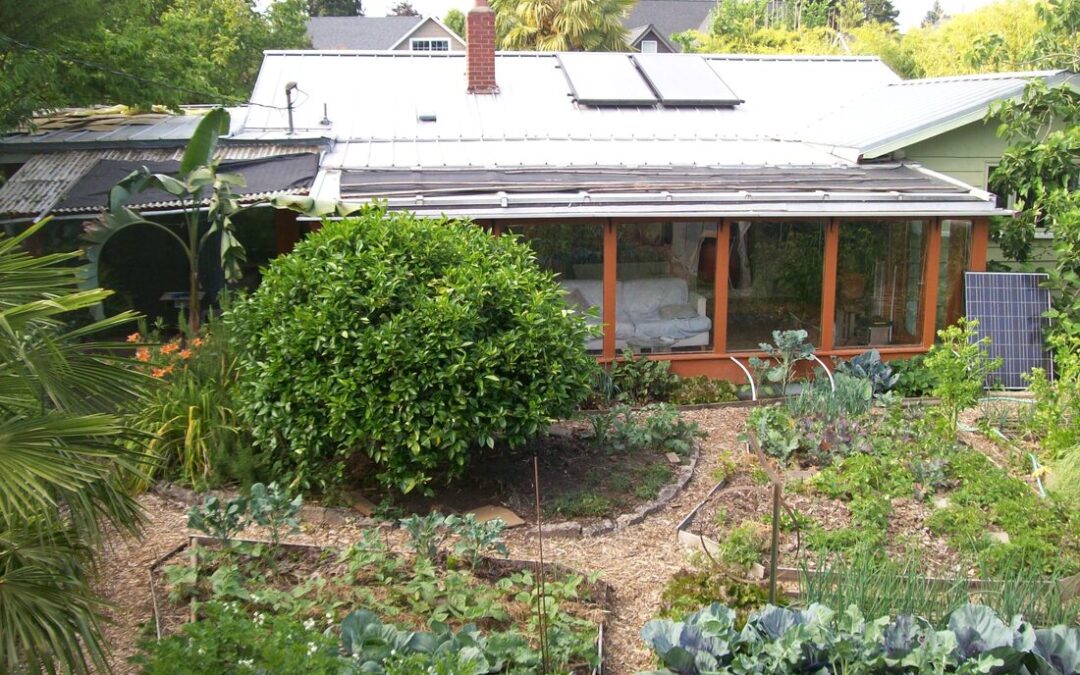
This presentation will explain how Resilience actions can take preparedness to a higher level and Permaculture actions can take resilience to a higher level. - May 17, Saturday, Site Tour, Suburban Permaculture and nearby impressive Front Yard Gardens. RRCO is hosting this tour. Site Tour – Meet – 1 PM Rosetta Park, River Road Neighborhood, Benjamin and Evergreen. Visit a 1/4 acre suburban property with 25 years of purposeful transformation to produce more basic needs on site and to reduce eco footprints. Grass to garden front and back, edible landscaping all over, driveway to food production, garage to living space, 6500 gal rain water system, patio to passive solar, passive solar ADU, habitat, aesthetic features. 1000s of people have visited over the years. The tour will visit two other properties and several very different front yard gardens.
Site Tours in Eugene and Companion Zoom Presentation
Jan Spencer in Eugene has an impressive schedule of site tours to locations in Eugene and companion zoom presentations that are relevant anywhere. The presentations put the site tours in context but are also stand alone. The primary theme of the schedule is, disaster preparedness can be a first move towards resilience, permaculture and moving towards sustainability. If we are interested in safety, security and well being for people and planet, best to downsize eco footprints, produce more basic needs closer to home and make common cause with friends and neighbors. Those actions can be early moves towards paradigm shift and sustainability.
First in the five part zoom series is May 13
The presentations point out standard preparedness is a very smart idea but it is reactive. It does nothing to address the cause of the problems – other than earthquakes. The term “natural” disaster serves to deflect human caused or human amplified disruption by blaming disruptions and disasters on nature. The five planned site tours will show and tell examples of reducing eco footprints, producing more basics at home or nearby, building community culture and ultimately, creating alternatives to capitalism and the consumer culture. First site tour is May 17, first in the five part zoom series is May 13.
Hi Julie – I asked AI to write a story based on this event and would like to share it with my FB groups. Please let me know if I can post it (with your feedback). Here it is:
A Tour of Purpose
Glen and Sally stood side by side on their driveway, sunhats shading their eyes from the soft June sun. Their home sat comfortably on a quiet cul-de-sac in the Pacific Northwest, but this was no ordinary suburban house. Over the past decade, they had transformed their modest lot into a thriving example of what they liked to call “preparedness with purpose.”
Today’s home tour was part of a regional gathering organized by NorthwestPermaculture.org—an open event for members and curious neighbors alike. The theme of this year’s gathering was “Convergence of Preparedness, Resilience and Permaculture”, and Glen and Sally’s place was the unofficial flagship of that convergence.
As the first group of visitors trickled up the walk, Sally gestured to what had once been a manicured lawn. “This was all grass ten years ago,” she began, guiding the group through a colorful blend of raised beds, fruit trees, and native pollinator plants. “We decided to replace it with food, habitat, and beauty. Not only is it more productive, it’s more peaceful too.”
In the back, Glen pointed out the rainwater harvesting system—a series of barrels and tanks tucked beneath a grapevine-draped trellis. “6,500 gallons,” he said with a smile. “Enough to keep our garden going well into the dry season. And it sure came in handy last August during the fire-related water restrictions.”
A young man raised his hand. “Did you guys do all this because you’re worried about disasters?”
Glen glanced at Sally, then replied, “Worried, no. Aware, yes. We see disasters—natural or not—as reminders. You know, it’s easier to blame nature than to look at how our systems intensify these events. But instead of fear, we focused on transformation. Our answer to crisis was to produce more of our basic needs right here.”
The tour moved into the garage, now a cozy living space lined with bookshelves and solar-powered appliances. Upstairs, an ADU caught the afternoon light with passive solar design, warming the space without a heater.
“We like to say we downsized our footprint and upsized our community,” Sally said as they gathered again under a shady pergola. “This isn’t just about sustainability. It’s about making common cause with friends and neighbors. If we want safety, security, and well-being for people and the planet, we have to start where we are—with the land under our feet, and the people next door.”
There was a long pause, not of awkwardness, but of reflection.
By the end of the tour, the group had transformed too—not in form, but in thought. It was clear this wasn’t just a garden or a house. It was a living model of the future many hadn’t yet realized they wanted.
And as the guests trickled back down the driveway, Sally smiled at Glen. “One home at a time,” she said.
Glen nodded. “That’s how paradigms shift.”