
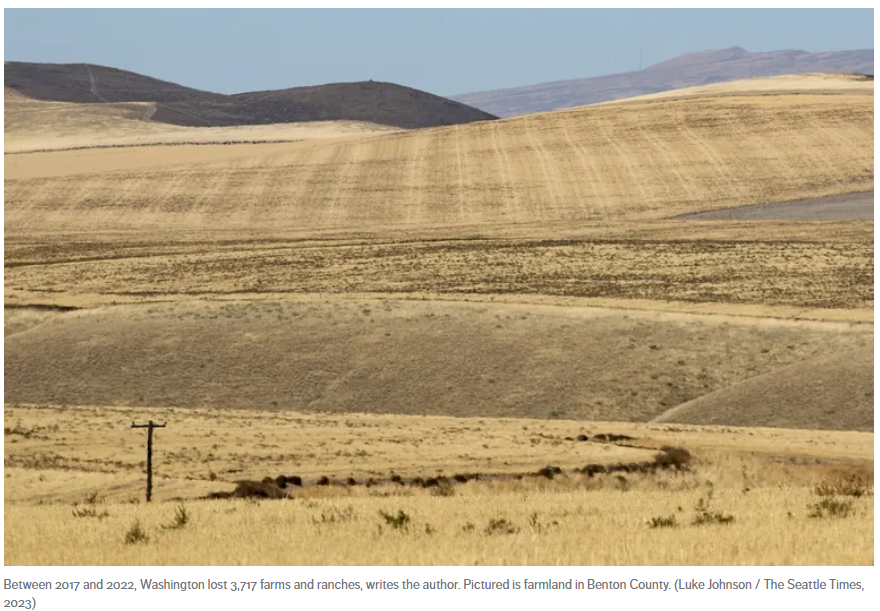
Can Our Convergence Support Farms and Farmers?
A friend of mine sent me this….
Between 2017 and 2022, our state lost 3,717 farms and ranches. It also lost more than 102,000 food-producing acres. To put these numbers in perspective, Washington lost a total of 3,456 farms in the previous decade.
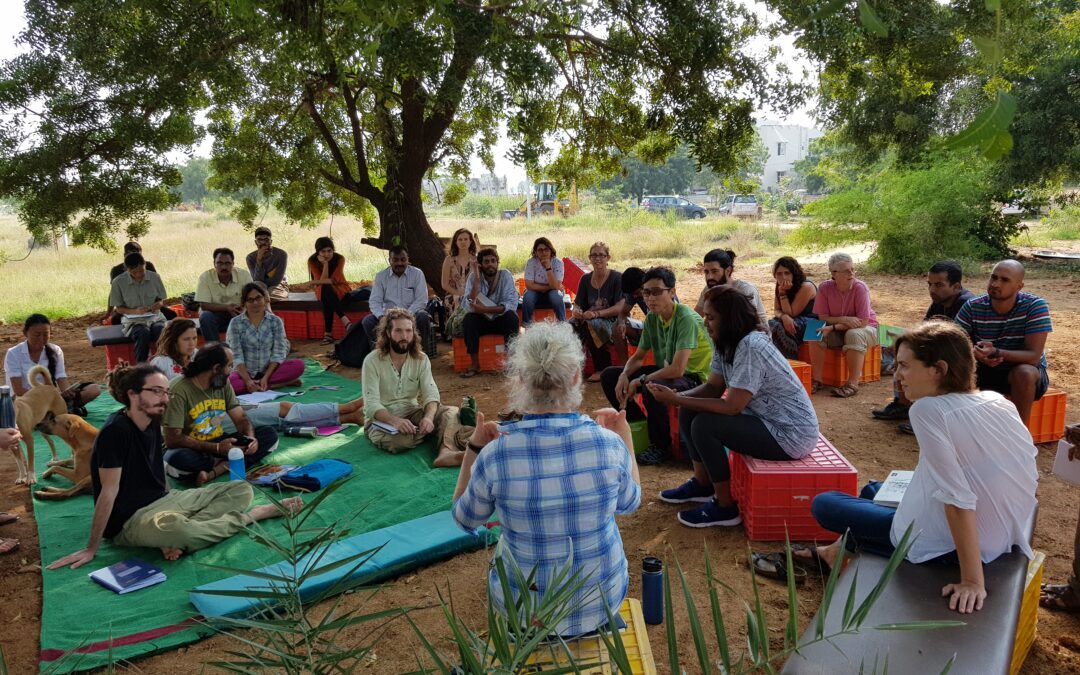
A panel of farmers at your 2024 convergence might just be the ticket to bring this crisis to our attention, and to deepen our understanding of the importance of farmers in our communities and bioregions.
These folks know. We don’t. They are also being eliminated in Europe to “reduce carbon” in the name of climate change. Perhaps we can stand in solidarity with them, create an alliance and help educate in regenerative farming. Read original article here.
Fourteen farms a week vanished from Washington state every week during the last five years. The U.S. Department of Agriculture recently released data from the U.S. Census of Agriculture and the numbers are shocking.
Between 2017 and 2022, our state lost 3,717 farms and ranches. It also lost more than 102,000 food-producing acres. To put these numbers in perspective, Washington lost a total of 3,456 farms in the previous decade.
We all know that correlation does not equal causation. Yet increases in operating costs and the enactment of hostile state and federal agricultural policy certainly suggest causation.
For example, 2022 was the first year agricultural overtime pay was implemented in Washington state.
In just a year’s time, agricultural employers saw their labor costs increase nearly 10% per employee by adding just five hours of overtime pay a week. An increase of $107.73 per employee, applied to the 164,000 farmworkers in our state, represents an increase of $17.67 million in overtime wages a week industry wide.
Farms and ranches are often misunderstood in discussions about labor, with the prevailing belief being that increased costs can simply be passed on to the consumer. However, farms and ranches negotiate set prices often before their operating prices are incurred. The overtime law also reinforced the mistaken but persistent belief that farms and ranches are rife with poor treatment of people who work hard, often far from their homes and native languages.
Similarly, in recent years, debates around riparian buffers have spotlighted an urban prejudice against agriculture in environmental stewardship. The dominant urban presumption seems to be those least connected to land care the most, while farmers and ranchers have an exploitative relationship with it.
Like other industries, our state’s farms and ranches have evolved. The perception of them should evolve too. The focus on good working relationships, living wages, environmental stewardship and care for the land, water, soil and native species is an intrinsic part of agricultural life. Without well-paid employees or healthy land and clean water, farms and ranches are stripped of yet another part of their means of survival.
As our farms disappear, so, too, does our access to food grown locally. Gone will be the opportunities for low-income families to shop for local produce at a fruit stand or farmers market stall. Gone will be the chance for individuals to find meat that is grass-fed from a rancher they have met.
Taking away direct access to locally produced food takes away access to true food equity — ensuring that everyone has access to food. When local food producers are forced to focus on their survival, charitable efforts are often among the first items to be sacrificed. Donations of fresh produce to food banks are often abandoned in favor of monetizing as much product as possible.
While the disappearance of 3,717 farms in five years is deeply concerning to the agricultural community in our state, it should alarm every Washingtonian.
William Jennings Bryan wrote, “Burn down your cities and leave our farms, and your cities will spring up again as if by magic; but destroy our farms and the grass will grow in the streets of every city in the country.”
Maybe Bryan was wrong about the grass growing in our streets. Maybe mega-corporate farms and automated technologies can replace the American farmer and maybe consumers won’t mind having fewer choices and a lowered standard of freshness. But is that a future we want to promote?
The fates of the Washington farmer and the thousands of families that rely on them for work are largely in the hands of increasingly urban lawmakers and the people they serve. The only question that remains is whether they will seek a deeper understanding and accommodation of the unique challenges of farming, or will they end it as a way of life?
Pam Lewison is a fourth-generation farmer in Eastern Washington and the director of the center for Agriculture at the Washington Policy Center.
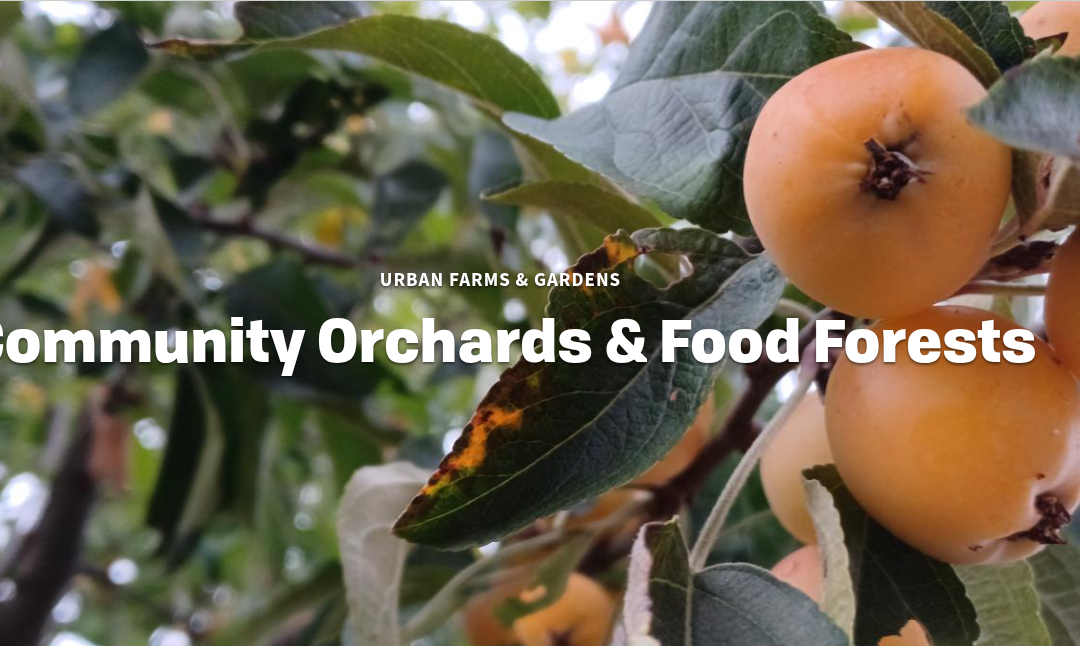
Apply for Tilth Alliance’s Free Community Food Forest Program
Community groups, schools, parks, and nonprofits in Seattle and King County can apply to receive free fruit trees, design assistance, infrastructure, training, and long-term stewardship support through Tilth Alliance’s Community Food Forest Program. Reviewing applications now for projects to start in fall 2026 through 2027.
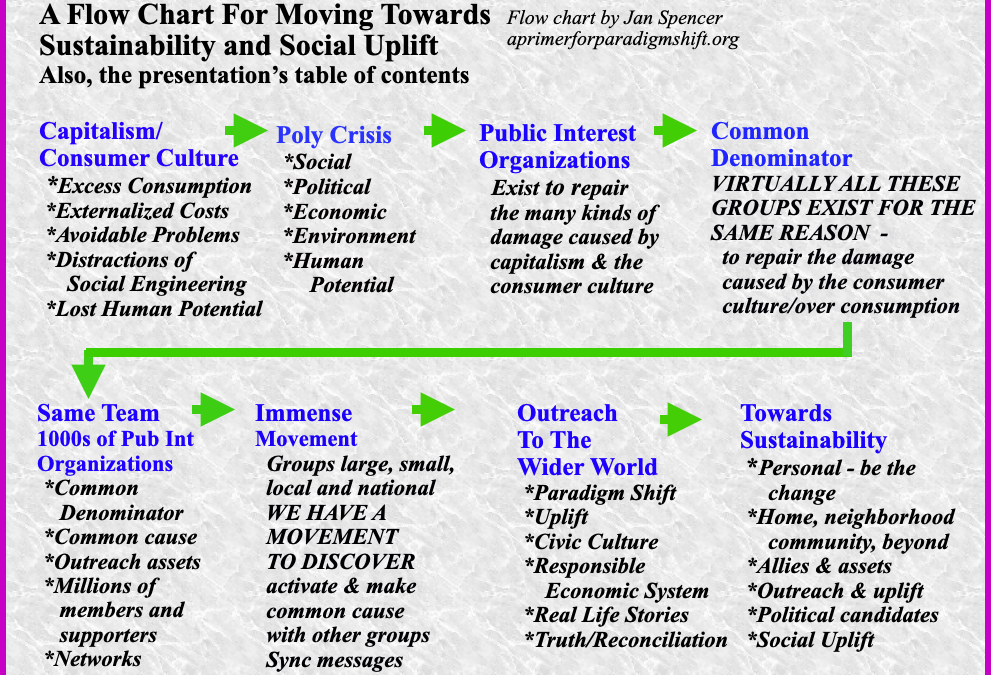
Climate Change, Poly Crisis & Paradigm Shift: A Presentation by Jan Spencer
August 7th, 2026. Explore a wider view of the challenges facing humanity—and the possibilities for transformation—in Jan Spencer’s presentation on climate change, the poly crisis, human potential, and the paradigm shift needed for a regenerative future.
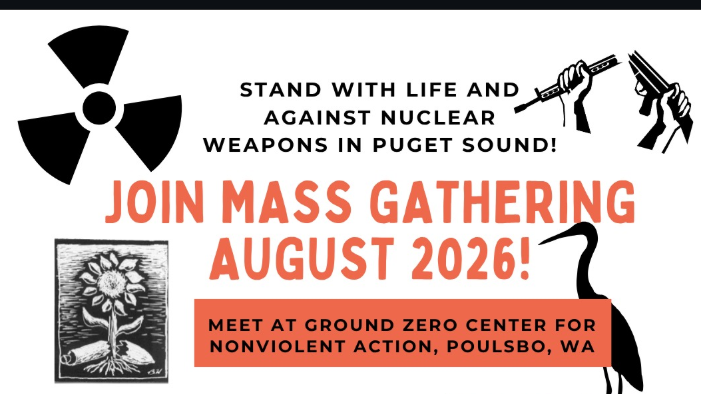
Stand With Life NW Against Nuclear Weapons Gathering Weekend in Kitsap
August 8–9, 2026 — Join the Ground Zero Center for Nonviolent Action in Kitsap County for the annual Hiroshima & Nagasaki Memorial Weekend of Action. Participate in workshops, a peaceful demonstration at the Bangor submarine base, and hear keynote speaker Abby Martin as we remember the devastating legacy of nuclear weapons and work together for a more peaceful future.

Spokane Permaculture Symposium – August 22-23, 2026
Encompassing the City of Spokane, Spokane County, the Spokane River Watershed and the Spokane Regional Foodshed:The Spokane Bioregion The Spokane Permaculture Symposium is shaping up to be a very cool event. You should come! Spokane Permaculture Symposium -...
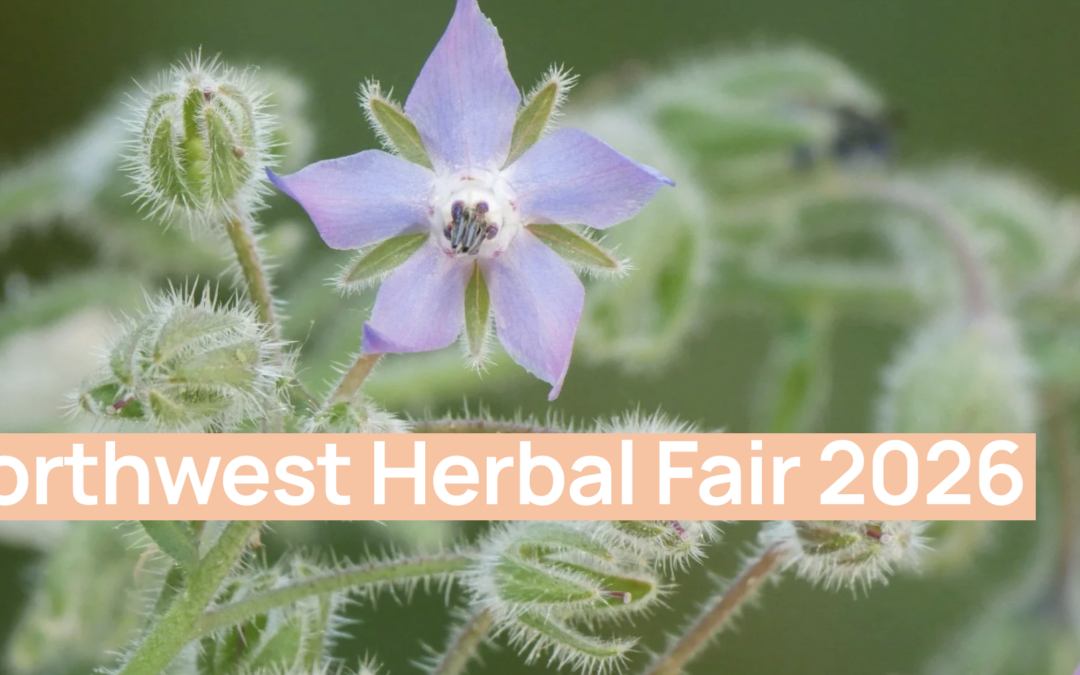
August 23: NW Herbal Fair Returns for a One-Day Gathering at Finnriver
August 23, 2026: After a year away, the Northwest Herbal Fair returns for a special one-day gathering at Finnriver Farm & Cidery, featuring workshops, plant walks, herbal vendors, live music, farm tours, and a celebration of the Northwest herbal community.
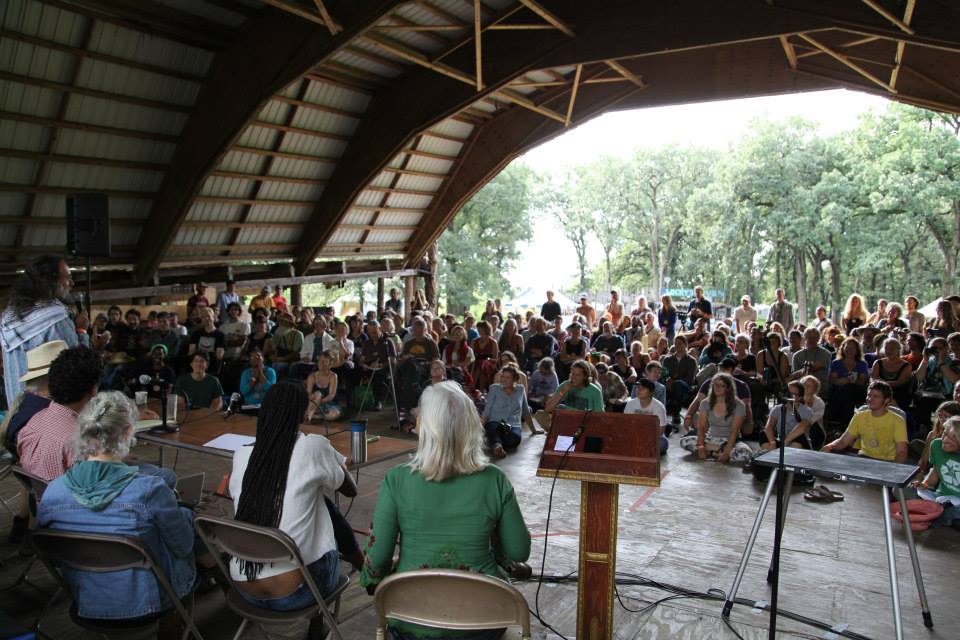
Seeking Allies and Board Member
Apply by Sept. 15, 2026. Northwest Permaculture is seeking new Board members and allies to help steward its legacy, strengthen its community, and shape its next chapter. NWPCC needs your vision to serve and continue to exist.
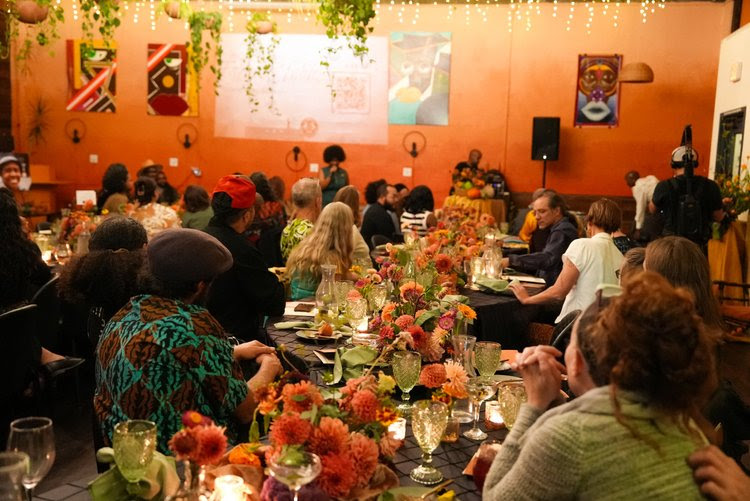
Black Oregon Land Trust Farm to Table Dinner Returns August 29
Join Black Oregon Land Trust for the annual Roots for Regeneration: Soil to Systems Farm to Table Dinner—an evening celebrating Black land stewardship, food sovereignty, ecological restoration, and the relationships that make resilient communities possible.

Mt Shasta Water unConference, September 11–13, 2026 Registration is Open
Registration is open for the Mount Shasta Water unConference, September 11–13, 2026, at Hotlum EcoRegeneration Camp. Join watershed stewards, permaculture practitioners, and community members for hands-on workshops, Open Space dialogue, and a deeper exploration of our relationship with water and the living world.
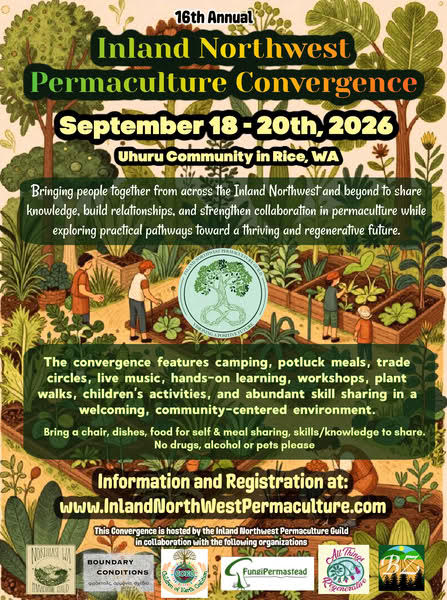
16th Annual Inland Northwest Permaculture Convergence Sept 18-20 2026
September 18–20, 2026 • Uhuru Community • Rice, Washington — Registration is open for the 16th Annual Inland Northwest Permaculture Convergence! Join a welcoming weekend of workshops, skill sharing, plant walks, music, community meals, and connection focused on permaculture, resilience, and regenerative living.
Online Permaculture Teacher Training Jan 2027
January 9–March 6, 2027 — Online Permaculture Teacher Training
Build confidence, teaching skills, and practical tools for sharing permaculture with diverse audiences. This interactive online course with Jude Hobbs and Carol Burton combines recorded lessons, live Zoom sessions, co-teaching practice, and collaborative learning.